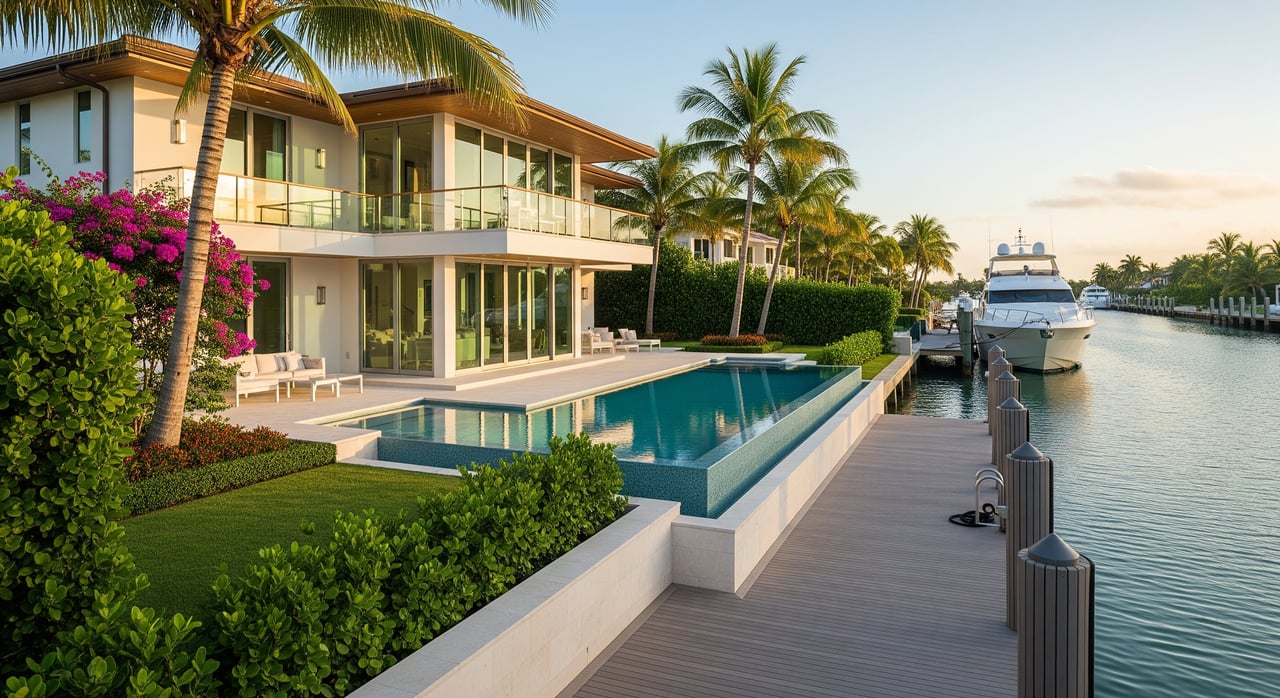
Thinking about waking up to calm blue water, stepping onto your dock, and heading out for a morning cruise? Intracoastal living in Highland Beach offers exactly that. You get direct access to the water and a quieter coastal setting just minutes from Boca Raton and Delray Beach. To make the most of it, you need to understand the day-to-day realities of boating, docks, seawalls, insurance, and local rules. This guide breaks down what matters so you can buy with confidence and enjoy the lifestyle from day one. Let’s dive in.
Why Highland Beach ICW appeals
Highland Beach sits on a narrow barrier island between the Atlantic Ocean and the Intracoastal Waterway in southern Palm Beach County. Many residences offer direct waterfront access or are near private and condo marinas. The draw is clear: boating, fishing, paddling, and easy access to nearby inlets, all with a small-town feel.
The local ICW connects you north toward the Palm Beach area and south toward Boca Raton and beyond. Traffic is busier on weekends and holidays. Tides are modest in South Florida, but wind and seasonal surge can raise water levels temporarily, which affects docking and seawalls.
Boating realities to expect
Bridge openings
Drawbridges along this stretch follow federal rules. Some open on a set schedule and others on signal. You should plan your route and timing around openings to avoid delays to the ocean. Expect different patterns on weekdays versus weekends when recreational traffic increases.
Tips:
- Program local bridge names and VHF channels into your routine.
- Build a buffer for openings, especially if you have a dinner reservation or offshore plan.
- Keep a standing checklist for guests so everyone knows the timing and rules.
No-wake zones
Reduced-speed and no-wake areas are common near marinas, private docks, bridges, and narrow channels. These zones protect property, people, and local marine life. If you want higher-speed access, verify where your dock sits relative to posted zones before you buy.
Tips:
- Note zone signage along your likely route.
- Factor slower stretches into your travel time to inlets and restaurants.
- Keep required safety gear aboard and operate with care. Rules are actively enforced.
Tides, depths, and wind
While the tidal range is small, depth at mean low water still matters. Wind-driven water levels, king tides, and storm surge can temporarily affect dock heights and clearance. If you plan to keep a larger boat, confirm navigation depth from your dock to the marked channel.
Tips:
- Ask for a depth check at mean low water along your approach.
- Consider a lift if you have a low-waterline boat or want easier maintenance.
- Monitor tide predictions and local conditions, especially for guests new to the area.
Docks, lifts, and seawalls
What to evaluate
You’ll see fixed docks, floating docks, and lifts at single-family homes and condo communities. Key items to confirm before you make an offer include:
- Slip length, beam, and water depth at mean low water.
- Presence and condition of a boat lift, plus lift capacity.
- Utilities such as shore power, potable water, and any pump-out connection.
- Orientation to prevailing wind, which can affect docking ease.
Ownership and permits
Waterfront owners are typically responsible for maintaining docks and seawalls. Over time, concrete, wood, and hardware face wear from salt, sun, and wakes. Seawall condition influences both safety and insurance. Permitting for new or rebuilt structures involves federal, state, county, and local agencies, so plan ahead for timelines and approvals.
What to check:
- Age and condition of the seawall and cap.
- Permit history for docks, lifts, and any shoreline changes.
- Whether replacement or expansion will require multiple approvals.
Condos and HOAs
Many buildings and associations offer assigned or rentable slips. Rules vary on boat length, beam, lift installation, guest slips, and short-term use. Read association documents closely and confirm who pays for repairs and reserves tied to marine infrastructure.
Questions to ask:
- Are there boat size limits and lift restrictions?
- How are slips assigned and can they be transferred with a unit?
- What are the reserve funds and repair histories for docks and seawalls?
Insurance, flooding, and risk
Coastal homes typically carry homeowners policies that address wind and hurricane exposure. Some lenders require separate wind coverage or a hurricane deductible. Flood insurance depends on FEMA flood zones, which also guide elevation and building requirements. If you plan to keep a boat, vessel insurance should match your use pattern, including nearshore and offshore trips.
Smart steps:
- Review current flood zone and ask for an elevation certificate if available.
- Get quotes for homeowners, wind, and flood coverage before you go under contract.
- Ask insurers about dock security, lift usage, and docking depth for vessel coverage.
Daily lifestyle on the ICW
Life on the Intracoastal means a front-row seat to the water. You can launch a paddleboard at sunrise, fish at dusk, and enjoy wide sky views from your deck. It also means sharing the waterway with dayboats, yachts, and occasional commercial traffic. Weekend afternoons are busier, and some wakes and engine noise are part of the setting.
How to set expectations:
- Plan ocean runs around bridge openings and no-wake stretches.
- Keep a seasonal maintenance plan for lifts, lights, and electrical systems.
- Use fender boards and proper lines to protect vessels during busy periods.
Value drivers and limits
Direct access to navigable channels and nearby inlets supports long-term demand for Highland Beach waterfront homes. Newer seawalls, adequate water depth, and private dockage are major value drivers. On the flip side, boat size limits, no-wake zones, bridge delays, and environmental protections can shape how you use the property. Insurance costs and flood requirements are part of the ownership picture.
What adds value:
- Deep water at mean low tide and a straight approach to the channel.
- Modern seawall and dock with current permits.
- Lift capacity suited to your vessel and lifestyle.
What can limit use:
- HOA rules on boat size or slip assignment.
- Posted speed zones or sensitive habitat areas.
- Aging seawalls or docks that require near-term capital work.
Due diligence checklist
Use this short list to streamline pre-offer research and inspections:
- Confirm riparian rights and any deeded dock entitlements.
- Order a marine survey for the dock, lift, and seawall.
- Get an underwater depth check at mean low water along the docking approach.
- Verify current flood zone, review any elevation certificate, and secure insurance quotes.
- Review HOA or condo rules on boats, guest slips, rentals, and maintenance.
- Pull permit history for past shoreline work and confirm requirements for future projects.
Specialists to hire
A trusted team helps you evaluate risk, timelines, and total cost of ownership:
- Licensed marine contractor or dock inspector for structural assessments.
- Seawall engineer or certified contractor for condition and replacement cost.
- Local general contractor experienced with coastal codes for planned renovations.
- Real estate attorney for riparian rights language and permit review.
Remote management tips
Many Highland Beach owners split time between states. A simple plan keeps things running smoothly when you are away:
- Engage local property management for routine checks, hurricane prep, and vendor access.
- Put service contracts in place for lift maintenance, landscaping, and pest control.
- Create a hurricane plan that includes haul-out or storage options for boats and a contractor call list.
Your next steps
If you are early in the search, focus on usability first, then finishes. Start with dock dimensions, depth, and seawall age. Confirm association rules and insurance options, then evaluate the home’s layout and condition. With the right due diligence and a local expert at your side, you can enjoy a smooth purchase and a waterfront lifestyle that fits your routine.
Have questions about a specific property or dock configuration? Reach out to the Highland Beach specialists on our team. We deliver a boutique, white-glove experience backed by proven results across South Palm Beach County. Connect with Jennifer Kilpatrick to discuss your goals and next steps.
FAQs
Ocean access from Highland Beach ICW
- You can usually reach the ocean if the route offers adequate depth and you time bridge openings and no-wake zones correctly; confirm with a local depth check and review bridge rules.
Responsibility for seawall and dock repairs
- Waterfront owners are typically responsible for repairs; in associations, costs may be shared, so verify deed language, HOA documents, and prior repair history.
Boat size limits at private docks
- Allowable size depends on riparian rights, dock dimensions and capacity, local ordinances, HOA rules, and water depth at mean low water; measure and review regulations before buying.
Environmental rules that affect boating
- Manatee protection areas, seagrass preservation zones, and posted no-wake areas can restrict speeds or anchoring; follow state and local regulations for safe, compliant operation.
Flooding and hurricane exposure for ICW homes
- Coastal properties have higher exposure; check current FEMA flood zones, review elevation details, plan for wind and flood insurance, and set a hurricane mitigation plan in advance.