You want the water at your doorstep, but which Highland Beach setting truly fits your lifestyle and risk profile? With the Atlantic on one side and the Intracoastal on the other, this compact barrier‑island town offers very different waterfront experiences across oceanfront condos, Intracoastal single‑family homes, and townhomes. If you know what to look for with dockage, HOAs, maintenance, rentals, insurance, and permits, you can choose with confidence. This guide breaks down the key differences and gives you a focused checklist to use before you make an offer. Let’s dive in.
Oceanfront condos: lifestyle and ease
Oceanfront condos deliver panoramic views and direct beach access with lower personal upkeep. Associations typically manage exterior care, common areas, elevators, security, and master insurance for common elements. Fees can be higher because they often cover large building systems and reserves.
Dockage is the main tradeoff. You will not have a private dock on the ocean. Some buildings control or partner with separate marinas on the Intracoastal, but slips are limited, may be deeded or leased, and can have waitlists. Always verify whether a slip conveys with the unit, the size and depth limits, and any transfer rules.
Rental rules are association driven. Expect minimum lease terms, registration, and limits on frequency. Review the condo’s governing documents, budgets, reserve studies, recent minutes, and any special assessments or litigation before committing.
Insurance considerations matter along the coast. Many oceanfront buildings sit in higher‑risk flood zones and face windstorm exposure. Ask for Elevation Certificates, the association’s insurance certificates, and unit‑level quotes for flood and wind coverage.
Intracoastal single‑family: privacy and boating access
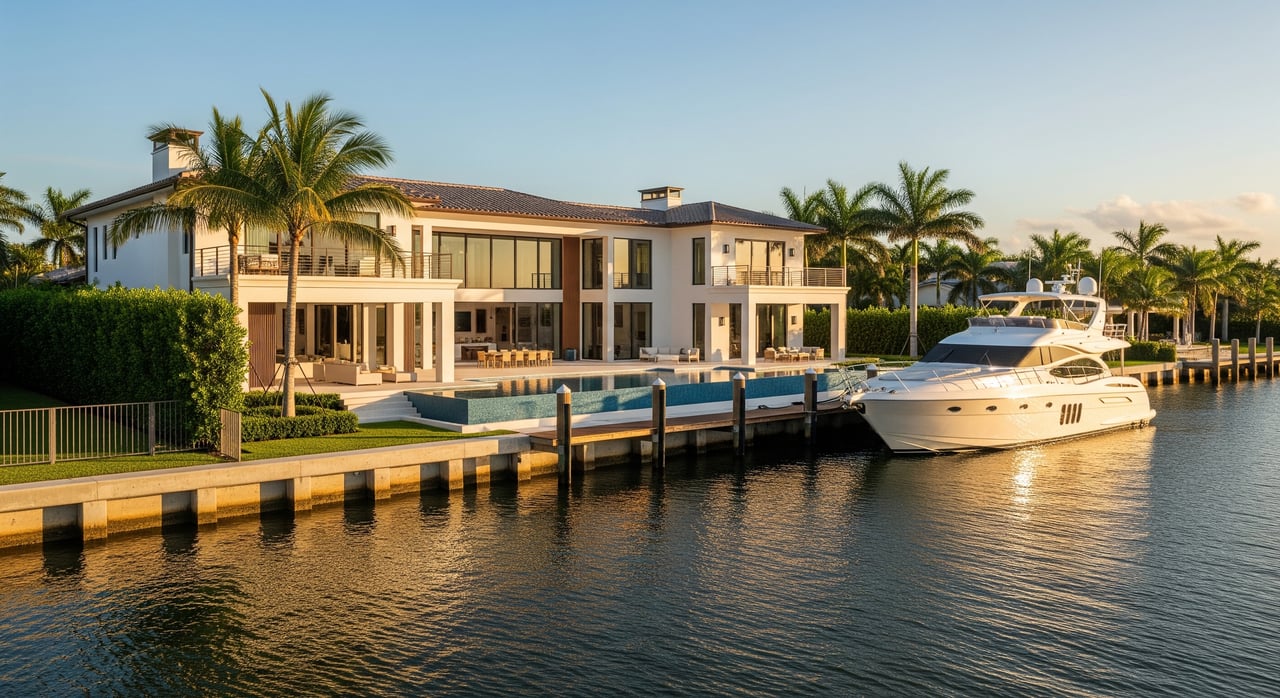
Single‑family homes on the Intracoastal offer maximum privacy, outdoor space, and the ability to keep your boat at home. Many properties include private docks and lifts with direct access to the Intracoastal and ocean inlets.
With that freedom comes responsibility. Owners are typically accountable for roofs, exteriors, landscaping, hurricane prep, seawalls or bulkheads, docks, and lifts. Seawall and dock work requires permits and can be costly. Water depth, frontage, and local rules will determine what you can build and the size of boat you can keep.
Some homes sit in small associations that manage gates or roads, while others have no HOA. Either way, confirm any use restrictions, boat storage rules, and architectural guidelines that might affect future plans.
Waterfront townhomes: the balanced option
Townhouse communities often split the difference. You can gain some private outdoor space and community amenities with less individual maintenance than a single‑family home. Many waterfront or canal townhomes include shared docks or marina areas.
Shared dockage is governed by HOA rules. Expect boat size limits, guest policies, slip assignments, and possible waitlists. Fees vary widely depending on whether the community covers roofs, exterior painting, docks, seawalls, pools, or security.
Townhomes still involve shared walls and association guidelines, so review the covenants and rules to ensure they fit your lifestyle.
Dockage and boating: key questions to ask
Before you rely on boating access, confirm details in writing:
- Is the slip deeded to the property, or is it leased or assigned by the association?
- What are the boat length, beam, and draft limits, and is there an existing lift?
- What is the verified water depth from the slip to navigable channels at low tide?
- Can the slip transfer on resale, and are there waitlists or rental restrictions?
- What permits and surveys exist for the dock or lift, and when were they last updated?
HOA structures, fees, and reserves
Associations set the tone for services, financial health, and lifestyle. For condos, the Florida Condominium Act applies. Most townhome and single‑family communities fall under the Florida Homeowners’ Association Act.
Ask for and review:
- Declaration, bylaws, and all rules and regulations
- Current budget, latest reserve study, and audited financials
- Minutes for the last 12 to 24 months
- Insurance certificates for common elements
- Any special assessments, planned projects, or litigation
Pay close attention to reserves for major items like roofs, façades, elevators, seawalls, and docks. In older coastal buildings, special assessments can be significant if reserves are underfunded.
Maintenance and capital planning on the coast
Salt air, wind, and storms increase wear on metal, concrete, and mechanical systems. That reality shapes both monthly costs and long‑term planning.
- Oceanfront condos: You take on less hands‑on work, but you share large capital projects through association fees and assessments.
- Intracoastal single‑family: You control your maintenance timeline but shoulder costs for roofs, exteriors, landscaping, pools, seawalls, docks, and lifts.
- Townhomes: You often benefit from community exterior maintenance, but check the scope of coverage and how seawalls or docks are funded.
Flood zones, insurance, and resilience
Most waterfront properties in Highland Beach lie in FEMA AE or V zones. Premiums depend on elevation, construction features, and distance to water.
- Flood insurance is available through the National Flood Insurance Program and private carriers. Get quotes early, using the current Elevation Certificate.
- Windstorm coverage can be separate and may carry higher deductibles along the coast. Ask about impact windows, roof age, and mitigation credits.
- Look for resilience measures such as elevated construction, reinforced or upgraded seawalls, and well‑maintained drainage. These details can affect both premiums and peace of mind.
Permitting and environmental factors
Docks, lifts, and seawalls typically require permits. Depending on scope and location, you may interact with Palm Beach County, the Florida Department of Environmental Protection, and the U.S. Army Corps of Engineers. Protecting marine habitats, including seagrass beds and manatees, may influence design or timing.
Dredging is heavily regulated and often restricted. Do not assume you can deepen a canal or slip to fit a larger vessel. Always request the permit history and relevant surveys before planning modifications.
Rental rules and investment potential
Associations set rental terms that shape income potential. Minimum lease lengths, lockout periods between tenants, guest registration, background checks, and parking limits are common.
Local ordinances and tax requirements may also apply to short‑term rentals. If you plan to rent, confirm both association and local rules, as well as lender requirements for investment properties. Model your net return only after accounting for HOA fees, insurance, taxes, and maintenance.
How to choose: quick fit guide
Use this simple framework to align your choice with your lifestyle and risk tolerance.
- Choose an oceanfront condo if you want turn‑key living, beach access, on‑site amenities, and you are comfortable with association rules and fees.
- Choose an Intracoastal single‑family home if private dockage, outdoor living, and design flexibility are your priorities and you are ready for hands‑on maintenance and coastal permitting.
- Choose a waterfront townhome if you want a balance of maintenance ease, some dock access, and community amenities, with the understanding that rules guide exterior changes and slip use.
Buyer due diligence checklist
Make your offer stronger by answering these questions up front.
- Documents: Declaration, bylaws, rules, recent minutes, budget, reserve study, audited financials, master insurance, and any special assessments.
- Dockage: Deeded rights, slip transfer rules, water depth at low tide, lift specs, and current permits.
- Seawall and dock condition: Age, repair history, and engineering reports if available.
- Flood and wind: Elevation Certificate, FEMA flood zone, and preliminary quotes for flood and wind coverage.
- Financing: Confirm condo lending eligibility and investor ratios if applicable.
- Lifestyle checks: Visit at different times to gauge A1A traffic, parking, beach activity, and noise. Confirm proximity to services and marinas.
- Property taxes: Review tax history and Florida homestead exemption rules if making the home your primary residence.
Partner with local waterfront expertise
Highland Beach is a built‑out barrier island with limited waterfront inventory. The best outcomes come from precise due diligence, realistic insurance planning, and smart negotiation on association and dock terms. If you want a discreet, white‑glove process from search to closing, connect with Jennifer Kilpatrick for a private consultation. If you are also considering a sale, request a Private Home Valuation to benchmark your position before you buy.
FAQs
What is the key difference between oceanfront condos and Intracoastal homes in Highland Beach?
- Oceanfront condos trade private docks for direct beach access and amenity living, while Intracoastal single‑family homes emphasize privacy and private dockage with greater owner maintenance.
How do HOA fees typically work in oceanfront Highland Beach condos?
- Condo fees usually fund building operations, reserves, common area maintenance, and master insurance for common elements, which can be higher due to coastal systems and risk.
What should I verify before relying on a marina slip or dock with a property?
- Confirm deeded rights, transferability on resale, waitlists, water depth at low tide, boat size limits, presence of a lift, and valid permits with recent surveys.
How do flood zones affect insurance for Highland Beach waterfront homes?
- Many properties are in FEMA AE or V zones; premiums depend on elevation, construction, and mitigation, so obtain the Elevation Certificate and quotes for flood and wind coverage early.
Are short‑term rentals common in Highland Beach condos and townhomes?
- Rental policies vary by association; many set minimum lease terms and registration rules, so review the governing documents and local requirements before planning rentals.
Who is responsible for seawalls and docks at Intracoastal single‑family properties?
- Responsibility typically lies with the property owner, and repairs or replacements require permits and can be significant capital projects.