Palm Beach is one of those rare markets where the home itself is only part of the story. Architecture plays a major role in how a property looks, lives, and holds its long-term appeal. If you are exploring luxury homes here, understanding style can help you read listings more clearly, ask better questions, and make smarter decisions. Let’s dive in.
Why Architecture Matters in Palm Beach
In Palm Beach, architecture is not just about curb appeal. It is part of the town’s identity, shaped by its growth from a resort destination in the late 19th century into an incorporated town in 1911.
The 1920s had an especially lasting influence. Addison Mizner’s work helped define the Palm Beach look, especially through Mediterranean Revival homes and club buildings with courtyards, terraces, fountains, tiled roofs, and outdoor circulation designed for the local climate.
That visual language still matters today. The Town of Palm Beach says it promotes community preservation by protecting its exceptional architectural character, and its preservation program covers more than 328 landmark properties, sites, and vistas.
For you as a buyer or seller, that means a home may be evaluated on more than square footage, finishes, or location alone. In Palm Beach, buyers often respond to how well a property fits the town’s established design character.
Mediterranean Revival in Palm Beach
Mediterranean Revival is the most popular architectural type identified in Palm Beach’s design guidelines. It draws from a wide mix of influences, including Spanish, Moorish, Venetian, Gothic, and Renaissance precedents.
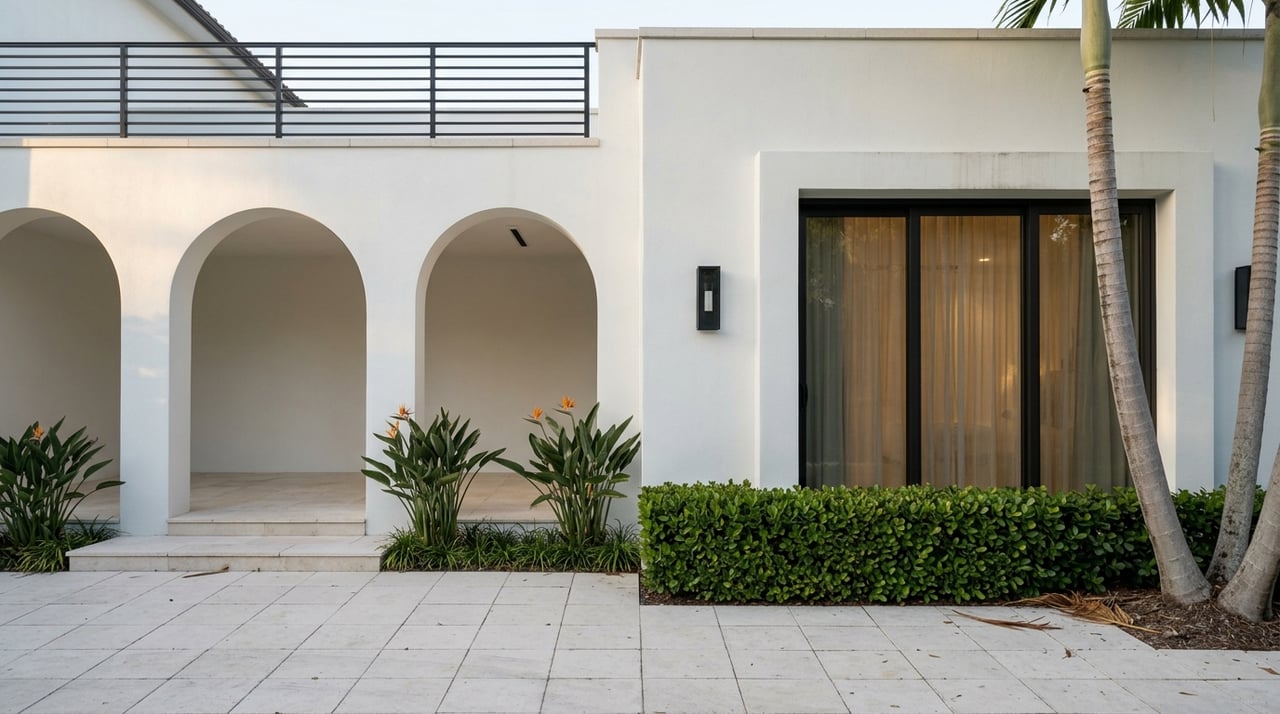
In practical terms, you will often see stucco exteriors, arched openings, clay tile roofs, wrought-iron details, terraces, courtyards, loggias, and fountains. These features are not random decorative choices. They are central to the style and to the Palm Beach look many luxury buyers expect.
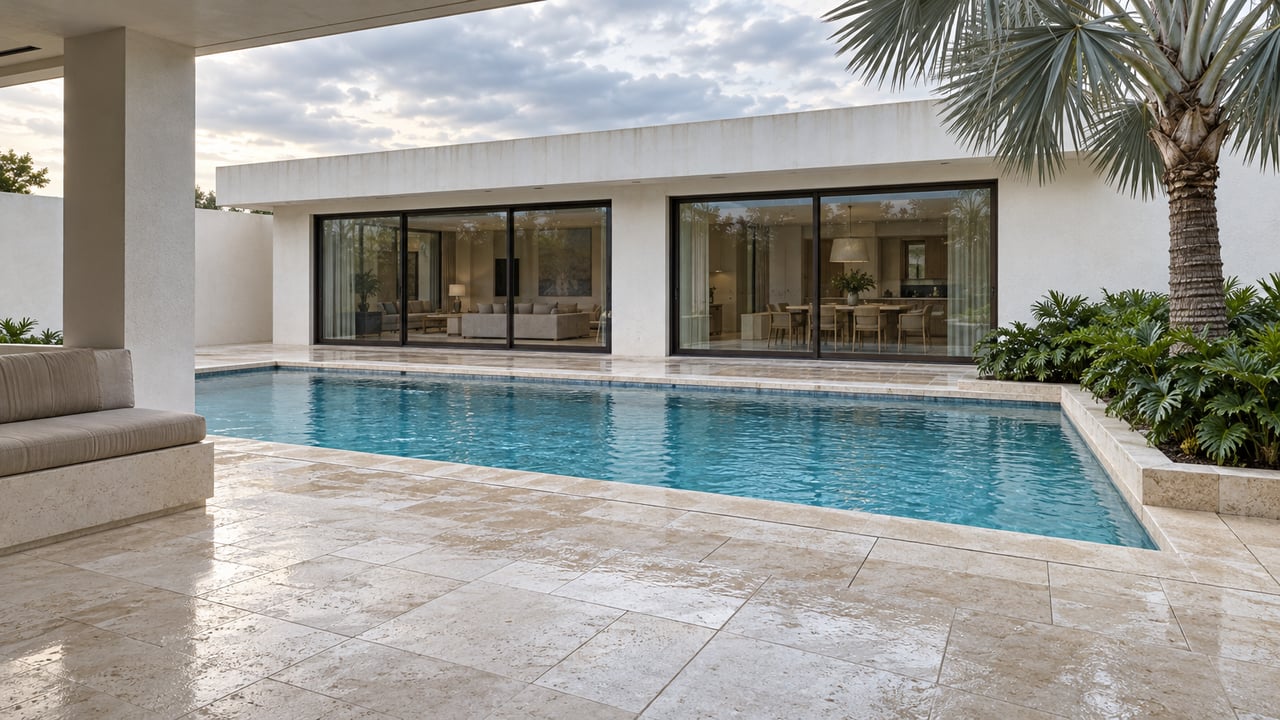
This style works especially well for indoor-outdoor living. Many homes are organized around garden courts, covered outdoor rooms, and spaces designed for entertaining rather than a strictly formal room-to-room layout.
When you are reviewing online listings, look for a few easy visual cues:
- Red or barrel-tile roofs
- Textured stucco walls
- Arched windows or doorways
- Decorative iron balconies or grilles
- Courtyards, terraces, or covered loggias
- Fountains or garden-centered layouts
In Palm Beach, Mediterranean Revival often feels timeless because the town allows buildings to evolve over time as long as additions and changes blend aesthetically with the original architecture.
Regency Homes Offer a Different Look
Palm Beach Regency is another prominent local style. Compared with Mediterranean Revival, it usually feels more restrained and composed.
The town describes Regency homes as typically flat-roofed, single-story, and symmetrical. Other common details include narrow or arched windows, classical entry features, fine ironwork, and decorative roofline urns.
For buyers, the appeal is often in that quieter elegance. A Regency home can still feel formal and refined, but with less decorative layering than a more elaborate Mediterranean estate.
That difference can shape your search. If you want Palm Beach character without as much ornament, Regency architecture may be a strong fit.
Contemporary and Mid-Century Modern Homes
Palm Beach also includes Contemporary and Mid-Century Modern homes, particularly from the postwar period. The town places this style between 1945 and 1990 and notes features such as concrete-block or masonry construction, slab foundations, low-pitched gable or flat roofs, smooth stucco, overhanging eaves, large windows, and decorative screen elements like breeze block.
These homes often feel very different from Mizner-era estates, even at the same luxury level. The overall expression is usually cleaner, simpler, and less ornamental.
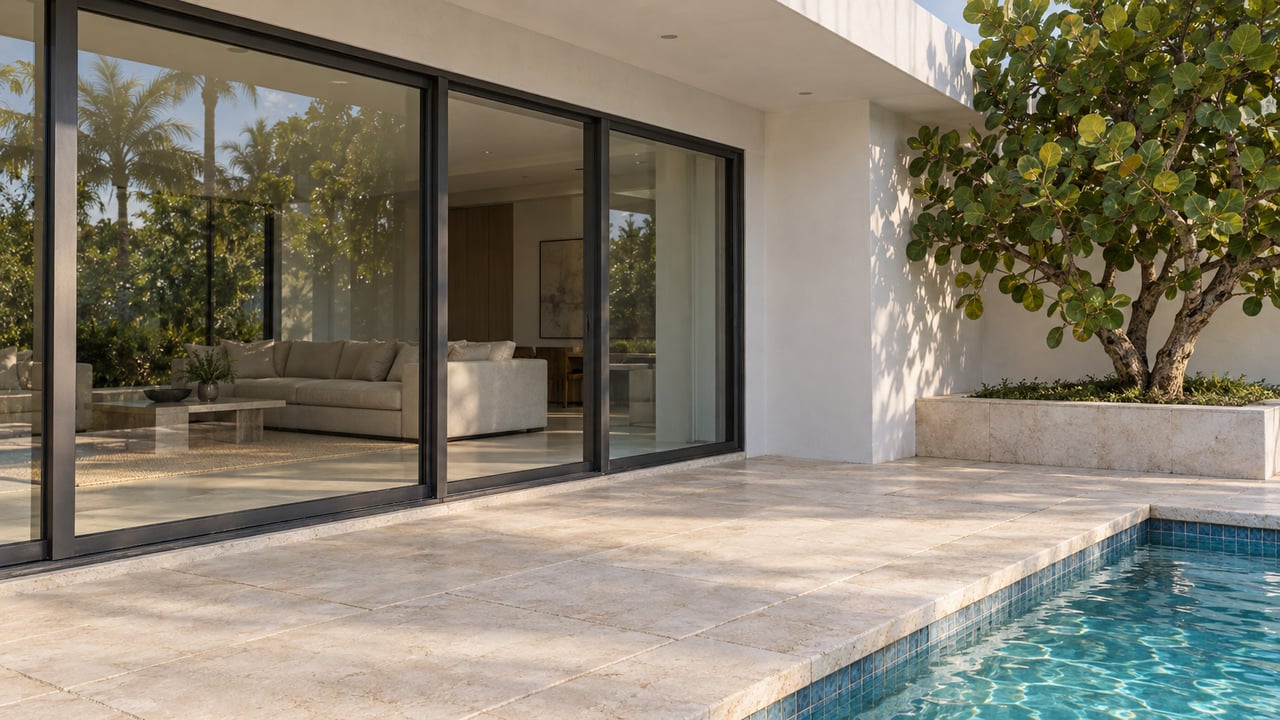
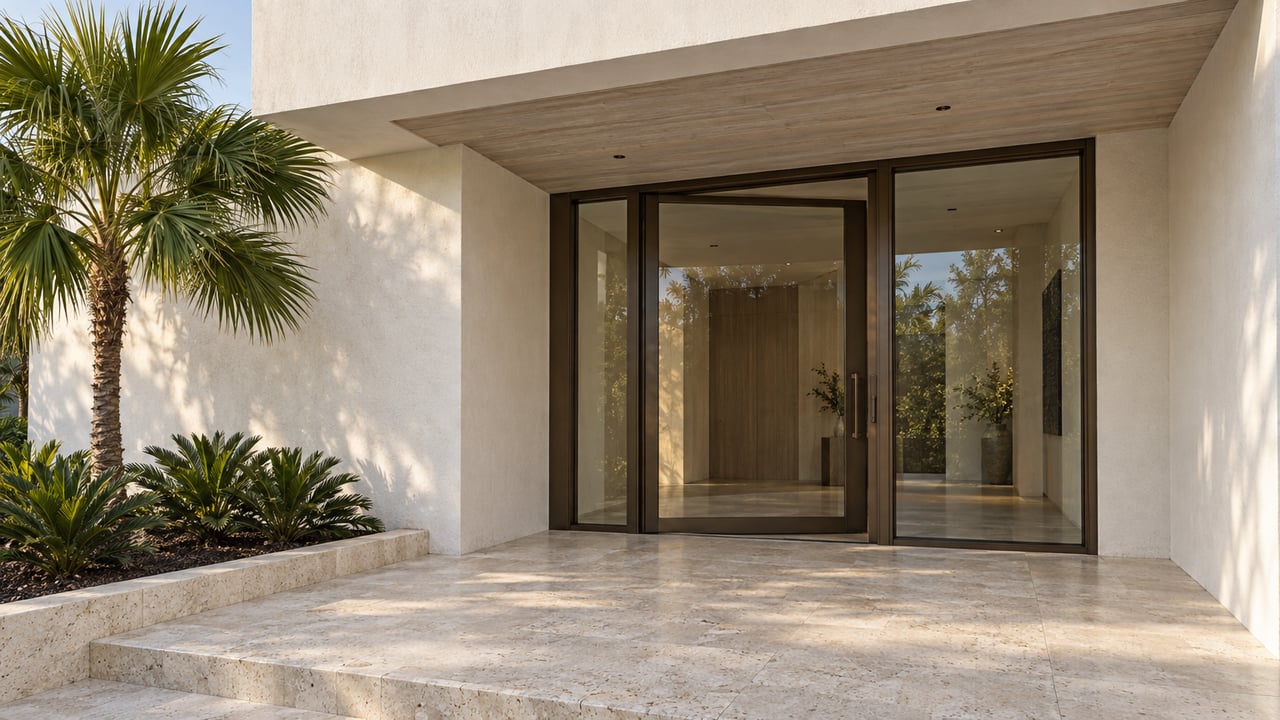
If you are drawn to minimal lines, larger expanses of glass, and a more streamlined exterior vocabulary, this category may stand out to you. In a Palm Beach search, it helps to remember that luxury here is not tied to just one historic look.
How Style Affects Daily Living
Architecture in Palm Beach shapes how a home lives day to day. That matters whether you are buying a primary residence, a seasonal property, or a waterfront retreat.
Mediterranean Revival homes often support a social, indoor-outdoor lifestyle because they are built around patios, terraces, courtyards, and loggias. Regency homes tend to present a more formal and classical street presence. Contemporary and Mid-Century Modern homes usually lean toward simpler forms, larger openings, and less ornament.
When you review a home, think beyond appearance. Ask yourself how the layout supports the way you want to live, entertain, relax, or lock and leave for part of the year.
What Buyers Should Watch in a Coastal Market
Palm Beach’s coastal setting adds another layer to the buying process. A beautiful design still needs to perform well in a waterfront or near-water environment.
FEMA defines coastal flooding as inundation from high or rising tides or storm surge. In Special Flood Hazard Areas shown on FEMA flood maps, National Flood Insurance Program rules apply, and federally regulated mortgages generally require flood insurance.
The town is also actively working on stormwater management, utility undergrounding, and coastal resilience planning. That tells you resilience is not a side issue in this market.
Salt spray and moisture can also affect building materials over time. FEMA guidance on coastal construction notes that corrosion and decay commonly affect materials in these environments, especially metal connectors and fasteners.
When evaluating a property, pay close attention to:
- Roof hardware
- Balconies and railings
- Window systems
- Gates and exterior hardware
- Decorative iron details
- Other exposed metal elements
Palm Beach also reminds homeowners that hurricane season runs from June 1 through November 30. For luxury buyers, that makes preparation, maintenance, and mitigation an ongoing part of ownership.
Renovation Rules Matter More Than Many Expect
In Palm Beach, renovation is often more regulated than buyers assume. If you are considering updates after closing, it is important to understand the local review process early.
The Town of Palm Beach says the Architectural Commission reviews new construction, landscaping, and modifications to existing structures that are visible from public rights-of-way. The Landmarks Preservation Commission reviews designated historic landmarks.
The town adopted its Historic Preservation Ordinance in 1979, and its preservation program is intended to protect significant architectural achievements for future generations. In other words, ownership in Palm Beach can include a stewardship element, especially for homes with historic value or prominent street visibility.
Worth Avenue design guidelines also encourage the maintenance of original architectural heritage and the creative use of Mediterranean Revival, Neo-Classical, and other compatible styles. The guidelines note that substantial exterior renovations or style conversions may qualify for special allowances only after review by the Architectural Commission and Town Council.
For you, that means the approval path should be part of your due diligence. It is not simply a detail to sort out after purchase.
How to Read Luxury Listings More Carefully
A Palm Beach listing should be read as both a residence and an architectural statement. Photos, floor plans, and exterior details can tell you a lot before you schedule a showing.
Start by asking whether the style appears original to the home or whether it looks like a later interpretation. Then look for whether the layout truly supports indoor-outdoor living through courtyards, covered galleries, terraces, or loggias.
It also helps to compare the details for consistency. If the roof, stucco, windows, and metalwork all feel aligned with the home’s style, that may suggest a more cohesive design approach than a property with repeated patchwork updates.
For waterfront or near-water homes, add a second layer of review:
- Is the home in a flood-prone area?
- What flood insurance requirements may apply?
- Do exterior materials show signs of salt-air wear?
- Were recent improvements properly permitted?
- Do the updates respect the home’s architectural character?
In Palm Beach, long-term appeal often comes from a combination of authenticity, thoughtful renovation, and resilience to the coastal environment.
Why This Knowledge Helps Sellers Too
If you are preparing to sell a Palm Beach property, architectural clarity can strengthen your presentation. Buyers in this market often respond to homes that feel coherent, well-maintained, and true to their design language.
That does not mean every property needs to look historic or highly ornate. It means the story of the home should make sense, from façade to floor plan to outdoor living areas.
For luxury sellers, strong positioning often starts with identifying what the architecture communicates. A Mediterranean estate, a Regency residence, and a Contemporary waterfront home each speak to buyers in different ways, and marketing should reflect that.
In a market where design character matters, careful presentation is not a finishing touch. It is part of the value conversation from the start.
If you are considering a purchase or preparing to position a luxury property in Palm Beach, working with a team that understands both architectural context and coastal market expectations can help you move with greater confidence. For discreet guidance and white-glove representation, connect with Jennifer Kilpatrick.
FAQs
What architectural style is most common in Palm Beach luxury homes?
- Mediterranean Revival is identified by Palm Beach’s design guidelines as the town’s most popular architectural type.
What features define Mediterranean Revival homes in Palm Beach?
- Common features include stucco exteriors, arched openings, clay tile roofs, wrought-iron details, courtyards, terraces, loggias, and fountains.
What is Palm Beach Regency architecture?
- Palm Beach Regency is typically flat-roofed, single-story, and symmetrical, often with narrow or arched windows, classical entry details, ironwork, and roofline urns.
Are Contemporary homes common in Palm Beach?
- Yes. Palm Beach includes Contemporary and Mid-Century Modern homes, especially from the postwar era, with features like large windows, smooth stucco, flat or low-pitched roofs, and simpler exterior forms.
Why do renovation rules matter for Palm Beach homes?
- The town reviews certain visible exterior changes, new construction, landscaping, and landmark-related work, so renovation plans may require local approval.
What should buyers check when viewing Palm Beach waterfront listings?
- Buyers should review flood risk, possible flood insurance requirements, signs of salt-air wear, the condition of exterior metal elements, and whether recent improvements were properly permitted.
How does architecture affect home value in Palm Beach?
- In Palm Beach, architecture is closely tied to the town’s identity, so buyers often consider how well a home’s design fits the local character along with its location, condition, and features.