Thinking about a second home in Ocean Ridge but unsure how flood zones, insurance, docks, and rental rules will affect your plan? You’re not alone. Ocean Ridge offers a quiet, waterfront lifestyle that’s ideal for seasonal living, yet the details matter when you live out of state and visit part-time. In this guide, you’ll learn exactly what to check before you buy, from elevation certificates and insurance quotes to marine permits and holding costs. Let’s dive in.
Why choose Ocean Ridge
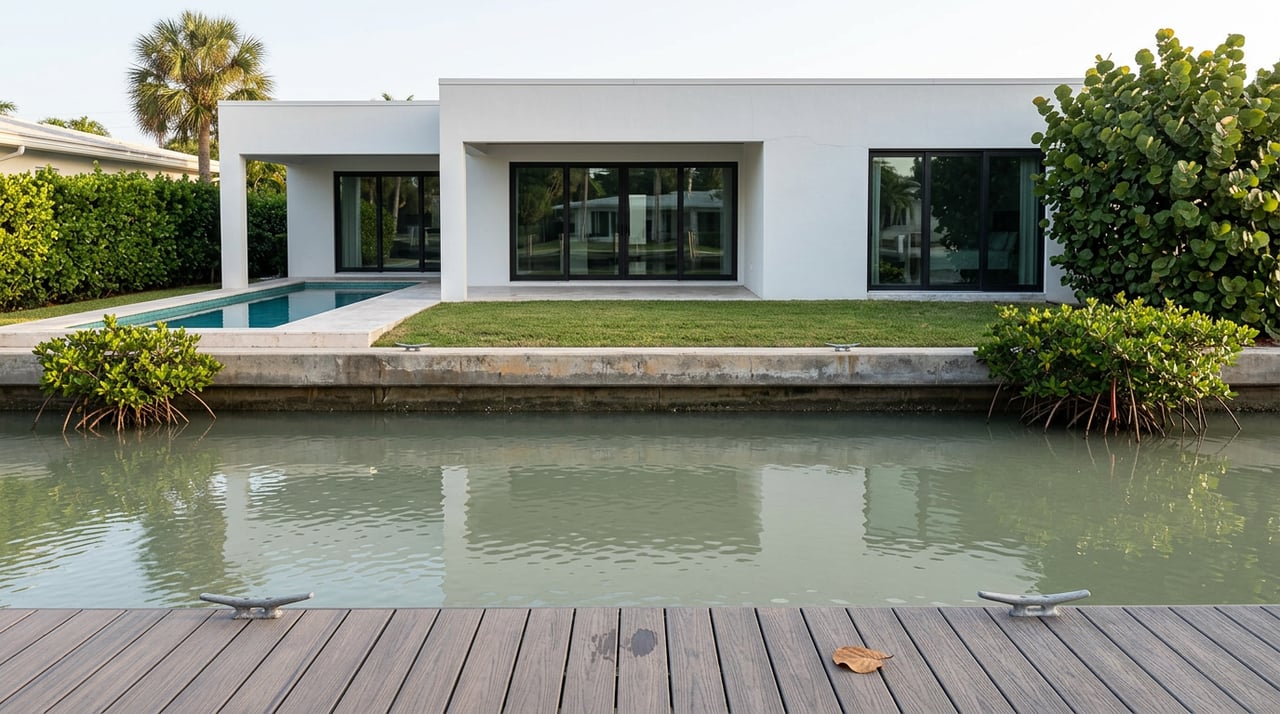
Ocean Ridge is a compact, low-density coastal town set along A1A with a strong waterfront identity and many private docks. Buyers value its privacy, boat access, and relaxed pace, especially for seasonal use. The town’s small footprint and barrier-island setting also mean local building rules, flood considerations, and marine permitting are part of almost every purchase decision. You should expect a little more homework up front, which pays off in smoother ownership later.
Flood, elevation, and insurance essentials
Flood risk and elevation drive insurance costs, mortgage requirements, and future resale in Ocean Ridge. Start here.
Confirm your flood zone and elevation
- Ask for the property’s Elevation Certificate. The Town’s building department provides clear guidance on how these forms are completed and what the fields mean. Review the lowest floor elevation against the Base Flood Elevation. You can reference the town’s instructions in the Building Department’s Elevation Certificate Guidance.
- Verify the property’s FEMA flood zone and FIRM panel using the FEMA Flood Map Service Center. If the home is in a Special Flood Hazard Area, a federally backed mortgage will require flood insurance.
Useful references:
- Town guidance on Elevation Certificates explains how to interpret the document and where to find FIRM panel information.
- The FEMA Flood Map Service Center lets you confirm the parcel’s flood zone and Base Flood Elevation.
Understand CRS discounts and waiting periods
Ocean Ridge participates in FEMA’s Community Rating System. Town materials note CRS-related premium discounts that apply to NFIP flood policies for properties in and out of Special Flood Hazard Areas. This is one reason to request the Elevation Certificate and ask your insurance agent to apply any community discount.
Remember that new NFIP policies typically carry a 30-day waiting period before coverage takes effect. Plan your closing date and move-in around that timing unless an exception applies.
- Review the town’s flood information to understand CRS participation and discount structure.
- See FEMA’s flood insurance overview for policy basics and the 30-day waiting rule.
Compare NFIP and private flood options
You generally have two flood insurance markets to consider: NFIP (FEMA) and private flood. In Ocean Ridge, availability and pricing depend on location, elevation, and underwriting. Request quotes from both and have them tied to the actual address and Elevation Certificate. Your lender can confirm whether a private flood policy meets loan requirements.
Town participation in CRS can reduce NFIP premiums, and some private carriers may price competitively based on the home’s elevation and flood zone. Always compare coverage limits, deductibles, and exclusions.
Homeowners insurance market context
Florida’s property insurance market has seen regulatory and capacity changes in 2024 to 2026 that point to stabilization, with filings from Citizens and activity noted by the state’s insurance office. This environment affects homeowners and wind policies, which are separate from flood coverage. Do not rely on averages. Get live quotes for the property and intended use timeline.
- See Citizens Property Insurance Corporation’s market updates for context on rate actions in recent years.
- Review the Florida Office of Insurance Regulation’s update on market stabilization for statewide perspective.
Rental rules you must know
What the town allows
Ocean Ridge’s single-family districts prohibit transient housing and vacation rentals, which the code defines as stays under 30 days. If your strategy involves nightly or weekly rentals in a single-family zone, that use is not permitted. Build your plan around seasonal stays and longer leases that comply with the code.
- Review the Ocean Ridge code section for single-family districts and the definitions of transient housing and vacation rental.
What associations can restrict
If you prefer a lock-and-leave condo or a community with shared maintenance, confirm association rental rules early. Condo and HOA documents often set minimum lease terms, require tenant approvals, or limit the number of units that can be leased at one time. Request the full package of governing documents, budgets, and any reserve studies before you remove contingencies.
Understand enforcement risk
Operating contrary to municipal or association rules can lead to fines, injunctions, or forced cessation of rentals. If your plan is personal use with leases of 30 days or more, Ocean Ridge’s rules can fit well. If you need short nightly turnover, consider a different zoning context.
Docks, seawalls, and marine permitting
Verify permits and condition
Waterfront ownership in Ocean Ridge often includes seawalls, docks, and lifts. Ask the seller for as-built permits, engineering, and any shared-easement documents. If records are missing, assume you will need to verify legality and transferability. Order a marine-contractor inspection and a current survey that shows the property boundary and mean high water line.
Palm Beach County Environmental Resources Management provides coastal and waterway oversight, so check county records alongside the town’s building files.
- Palm Beach County ERM outlines coastal programs and permitting coordination.
New work and timelines
Marine work can require permits from multiple agencies: Town of Ocean Ridge building department, Palm Beach County ERM, the Florida DEP Coastal Construction Control Line program for work affecting the beach or dune system, and sometimes the U.S. Army Corps for work in navigable waters. Budget for added time, seasonal wildlife windows, and potential mitigation. Six to twelve months is a common planning range for approvals and construction scheduling.
- Learn about the CCCL program and coastal construction permitting at the Florida DEP.
Holding costs to model before you buy
Every second-home budget in Ocean Ridge should include these line items. Get parcel-specific quotes and documents prior to closing.
- Property taxes. Use the Palm Beach County Property Appraiser site to find the parcel’s total millage and estimate taxes. For non-homestead properties, reassessment rules can allow larger annual increases than homestead. Review recent TRIM notices to gauge changes.
- Homeowners (wind/hurricane) insurance. South Palm Beach County is a high-exposure region. Obtain quotes from multiple carriers and consider how storm-hardening features and elevation may influence pricing. Market stabilization updates from state regulators provide helpful context.
- Flood insurance. Compare NFIP and private options with quotes tied to the Elevation Certificate. Pricing varies widely under FEMA’s current rating system and depends on location and elevation.
- HOA or condo fees. If you choose a low-maintenance condo, fees can cover exterior elements, landscaping, and amenities. Request current budgets, reserve studies, and disclosure of any pending special assessments.
- Routine maintenance and property care. Budget for landscaping, pool care, pest control, housekeeping between visits, and periodic professional checks if you are away for long periods.
- Dock and seawall upkeep. Set a reserve for intermittent large expenses, and review any recent work or condition reports carefully.
- Utilities, communications, and security. Consider minimum service plans and remote monitoring systems for periods when the home is unoccupied.
Illustrative planning example from recent market context: for a $1,000,000 waterfront house, annual property taxes could approximate 1.5% to 2.0% of assessed value depending on millage, homeowners insurance may be several thousand dollars per year, and flood insurance can often range from about $1,000 to $5,000 or more depending on elevation and zone. These are planning ranges only. Always confirm with parcel-specific quotes and documents.
References for estimates and context:
- Palm Beach County Property Appraiser FAQs explain millage and assessment basics.
- The Florida OIR market update and Citizens’ recent filings provide context on homeowners insurance trends.
- FEMA’s consumer materials explain flood insurance rating and why premiums vary by location and elevation.
Compare Ocean Ridge to nearby options
Rather than rank towns, use a side-by-side checklist across Ocean Ridge and neighboring enclaves such as Manalapan, Gulf Stream, South Palm Beach, Palm Beach, and parts of Delray Beach:
- Rental rules and permitted lease terms. Ocean Ridge single-family zoning prohibits stays under 30 days, and other towns vary. Verify the municipal code and association policies for each parcel.
- Boat access and dredging history. Assess presence of private docks, channel depths, and seawall condition.
- Flood exposure and finished-floor elevation. Even a one to two foot difference in required elevation can change both insurance and construction costs. Town elevation guidance documents help you interpret Elevation Certificates.
- Maintenance intensity. Decide between a condo with centralized maintenance or a single-family home with property management support.
Helpful references:
- Ocean Ridge code for rental rules in single-family zones.
- Palm Beach County ERM for coastal and waterway program information.
- Town Elevation Certificate guidance for interpreting elevation data and FIRM panels.
Due diligence checklist for remote buyers
Collect these documents and quotes before you remove contingencies:
- Elevation Certificate and the latest as-built survey.
- FEMA FIRM panel and flood-zone determination from the MSC.
- Seller’s insurance history for homeowners and flood, including any past claims and policy declarations.
- All permits and as-builts for docks, lifts, and seawalls, plus any recorded easements for shared facilities.
- Full HOA or condo package if applicable, including governing documents, rental policies, budgets, and reserve studies.
- Marine-contractor condition report and a survey showing the mean high water line.
- Firm homeowners and flood insurance quotes, with renewal dates and underwriting conditions tied to your intended occupancy.
- Written confirmation from the Town about allowable uses for the parcel if your plan includes leasing. Town building department contacts are listed in their guidance documents.
References:
- Town Elevation Certificate guidance for forms and contact information.
- FEMA Flood Map Service Center for parcel-level flood data.
- Palm Beach County ERM for shoreline and permitting resources.
- Florida DEP CCCL program for coastal construction questions.
Next steps for a smooth purchase
- Ask for the Elevation Certificate, dock and seawall permits, and association documents before your first visit or include a contract contingency for delivery.
- Request flood quotes from NFIP and private carriers and homeowners/wind quotes for the address and intended use. Remember the NFIP 30-day waiting rule when planning your closing.
- If a dock is essential, order a marine inspection and request permit files from the town, county ERM, and state or federal agencies as relevant. Budget for permitting and potential wildlife-related timing windows.
- For a lower-maintenance retreat, consider a condo where the HOA handles exterior care, but confirm rental rules and reserve funding.
Ready to refine your Ocean Ridge plan and see properties that match your timing, budget, and use case? Connect with the local insight and white-glove support you expect. Reach out to Jennifer Kilpatrick to start a precise, confidential search.
FAQs
What are the short-term rental rules for Ocean Ridge second homes?
- In single-family districts, Ocean Ridge prohibits transient housing and vacation rentals defined as stays under 30 days; plan for personal use and longer leases that comply with the code.
How do flood zones affect a second home purchase in Ocean Ridge?
- Flood zones determine lender requirements and shape insurance premiums; verify your zone and Base Flood Elevation at the FEMA Flood Map Service Center and review the property’s Elevation Certificate.
Does Ocean Ridge offer NFIP flood insurance discounts?
- Yes, the town participates in FEMA’s Community Rating System, and town materials describe premium discounts for NFIP policies, which is why you should ask your agent to apply the community rating.
How long does it take to permit a new dock or seawall?
- Expect a multi-agency process with the Town, Palm Beach County ERM, and possibly the Florida DEP CCCL and U.S. Army Corps; plan for 6 to 12 months or more including potential wildlife timing windows.
What holding costs should I budget for as a seasonal owner?
- Plan for property taxes, homeowners and flood insurance, HOA or condo fees if applicable, routine maintenance, dock and seawall reserves, utilities, and security; obtain parcel-specific quotes before closing.