Buying an estate in Palm Beach is more than a search for ocean views. On this barrier island, details like seawall condition, flood elevation, and historic restrictions can shape what you buy, how you renovate, and your long‑term costs. If you want a smooth acquisition and strong resale value, you need a clear plan from day one.
This guide gives you a focused checklist. You will learn how to vet seawalls and flood risk, navigate historic and design rules, plan for docks and utilities, and map timelines and budgets with confidence. Let’s dive in.
Shoreline, flood risk, and seawalls
Verify flood zone and elevations
Palm Beach Island sits within a regulated coastal floodplain. The Town’s resilience plan highlights high exposure to coastal flooding and the need for elevation and maintenance standards across the island. Review the property’s FEMA flood zone and obtain the current elevation certificate. You can use the official FEMA Flood Map Service Center to pull the effective FIRM panel and Base Flood Elevation for the parcel.
- Start with the Town’s resilience context in the Level‑Up Palm Beach plan for how local standards and freeboard targets are approached. The plan outlines why seawall height, maintenance, and elevation data matter to marketability and risk. Level‑Up Palm Beach Coastal Resilience Implementation Plan
- Pull your parcel’s official FEMA data to anchor insurance and renovation decisions. FEMA Flood Map Service Center
Inspect seawall condition and records
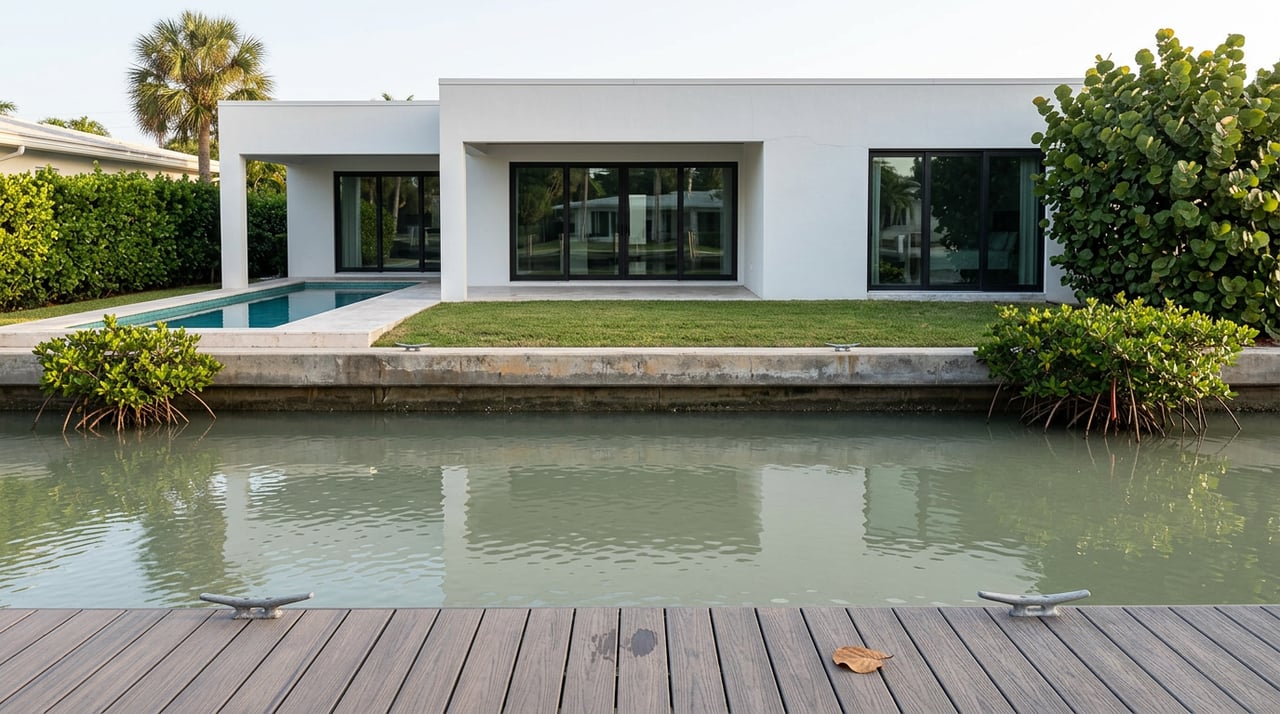
For waterfront estates, the seawall or bulkhead is a key asset. Request the as‑built drawings, permits, engineer certifications, dates of last recertification, and any code notices. The Town expects routine maintenance and professional recertification. Up‑to‑date documentation improves marketability; unclear or repeated-repair histories can become negotiating leverage for the buyer or a liability for the seller.
Budget ranges vary widely by material and access. Regional contractor guidance shows residential seawall work can run from the hundreds to low thousands of dollars per linear foot. Always obtain local bids and confirm permitting scope before you budget. Seawall repair and replacement cost ranges
Know when you need coastal permits
If any part of the parcel or planned work is seaward of Florida’s Coastal Construction Control Line, you will need state review. That can add timing, seasonal conditions, and environmental requirements. Private docks, lifts, and major seawall projects also involve Town, County, and state reviews, and sometimes federal review for in‑water work.
- Check the state’s CCCL program for permit triggers and process. FDEP Coastal Construction Control Line
- Ask whether Town beach renourishment or groin projects could temporarily affect nearby access or nearshore conditions. Town Coastal Protection projects
Historic rules and design approvals
Confirm landmark or ARCOM status
Palm Beach has a formal Landmarks Preservation program. Landmark designation does not ban changes, but exterior work on landmarked homes goes through the Landmarks Preservation Commission for a Certificate of Appropriateness. Many other properties fall under ARCOM design review for exterior changes. Before you plan design work, confirm whether the house is individually landmarked, in a historic district, or under ARCOM review. Town Landmarks Manual and COA process
Understand approvals and incentives
If the property is landmarked, ask for the COA history and any previously approved plans. The Town offers a tax abatement path tied to approved restoration work, which can be valuable but adds process and public hearings. Expect longer timelines for visible exterior changes, and coordinate early with your architect and preservation counsel.
Plan for building and floodplain triggers
Substantial improvements will trigger Florida Building Code and floodplain standards. The Town’s resilience guidance supports higher freeboard in certain zones. If you plan a major renovation or a tear‑down and rebuild, budget for elevation and flood-resistant construction requirements documented during permitting.
Docks, yachts, and marine logistics
Check marina and draft options early
Palm Beach Island has limited private deep‑water moorage. Larger yachts often berth nearby in West Palm Beach or Riviera Beach, where refit yards, cranes, and crew resources are available. If you own or plan to purchase a large vessel, confirm acceptable berth size, draft, and marina availability before you close. Regional marina and yacht service overview
Factor permits and schedules for in‑water work
New docks, lifts, or significant repairs generally require Town approvals and state review, and some projects add environmental surveys and mitigation. Straightforward maintenance can move in weeks to a few months. Larger in‑water projects can take several months or more. Build schedule contingency into your acquisition and renovation plan. FDEP CCCL program overview
Utilities, assessments, and resilience projects
Undergrounding and special assessments
The Town’s multi‑phase undergrounding program is replacing overhead utilities by neighborhood phase. Confirm whether your parcel has been assessed or will be assessed in a future phase, and document any assessment history that may affect closing. Review the Town’s project communications and consult your closing team to verify current status. Town undergrounding program newsletters
Sewer, stormwater, and regional resilience
Coastal communities across Florida are prioritizing sewer upgrades, pump station hardening, and stormwater improvements. Ask whether the home connects to sewer, whether any septic conversion plans are in motion nearby, and whether upcoming projects could affect your street access or timelines for work. State planning documents outline current resilience priorities that can inform your diligence. Florida statewide resilience plan overview
Household operations and security
Staff, service flow, and zoning
Estate buyers often prioritize separate guest or staff suites, independent service entries, laundry and provisioning space, and efficient service circulation. Town zoning and, for some properties, landmark review can limit where and how you add accessory structures. Confirm permissibility with Town planning staff and review any recorded covenants before you commit to program changes.
Security planning and town services
Expect estates to combine layered physical security, controlled access, and monitored systems. The Town of Palm Beach provides police services and offers closed‑house checks for seasonal residents. Many buyers also coordinate private security, and some residents integrate safe rooms that follow FEMA guidance for siting above expected flood levels.
Title, shoreline rights, and surveys
Order a comprehensive title and survey set
Along with a standard title search, request recorded easements, any shoreline maintenance agreements, and a current boundary and elevation survey. For waterfront lots, ask your surveyor to clarify upland boundaries and any littoral rights or restrictions that could affect docking or shoreline work. Clean documentation helps preserve value and reduce delays.
Insurance and risk transfer
Understand hurricane and flood coverage
Confirm property, wind, and flood insurance availability and likely premium with a broker during due diligence. In Florida, hurricane deductibles follow a calendar‑year structure. Knowing how that deductible applies to one or more storms helps you benchmark true carrying cost and risk tolerance. Florida hurricane deductible basics
Market context and timing
Pricing trends and seasonality
Luxury pricing on Palm Beach Island has been strong, with recent quarterly reports showing elevated price levels and evolving supply dynamics. Use the latest Elliman and Miller Samuel data to frame comps and timing strategies. Winter remains an active touring season, although the island also sees multi‑season demand. Elliman Palm Beach market report
Typical timelines and budget cues
- Quick document pulls like title, survey, and basic historic status often take 2 to 6 weeks.
- Medium seawall repair design, permitting, and contractor selection often take 3 to 6 months, with costs that vary per linear foot by material and access. Seawall cost context
- New docks or in‑water work that involve state or federal review can take 6 to 12 months or more. FDEP permit overview
Your closing checklist
Use this concise list to keep your diligence on track:
- Title and survey. Full title search, recorded easements, shoreline agreements, and a current boundary and elevation survey. These items affect use rights and future work.
- FEMA and elevation. Effective FIRM panel, Base Flood Elevation, and a current elevation certificate. These influence insurance, design, and resale. FEMA Flood Map Service Center
- Seawall and shoreline. As‑built drawings, permits, engineer certifications, last recertification date, and any code notices. Documentation supports value and lowers risk. Town resilience context
- Historic and design. Landmark or district status, COA history, and any ARCOM or Landmarks minutes tied to the property. These determine scope and speed of exterior changes. Landmarks Manual
- Utilities and assessments. Sewer vs septic, undergrounding status, and any special assessments that could follow the parcel. Undergrounding program updates
- Marine and access. Current dock or lift permits and nearby marina options for larger vessels. Regional marina overview
- Insurance. Property, wind, and flood quotes, plus clarity on hurricane deductibles and exclusions. Florida hurricane deductible
Five smart questions to ask
- Has the seawall ever been certified by a Florida P.E., and can I see the certificate and design drawings?
- What is the property’s FEMA flood zone and most recent elevation certificate?
- Is the home landmarked or in a historic district, and what COA history exists for exterior changes?
- Are there recorded easements, public access points, or riparian restrictions that affect beach access or docking?
- Which agencies would review a dock, lift, or major shoreline project here, and what is the realistic approval calendar?
Next steps
A Palm Beach estate can be a resilient, high‑performing asset when you confirm the right details up front. Focus on seawalls and flood elevation, understand historic and design pathways, and plan for utilities and marine logistics. With a clear checklist and experienced representation, you can protect value and streamline your path to closing.
If you are exploring a purchase or want a confidential second opinion on a property’s risk and potential, connect with Jennifer Kilpatrick for a private consultation.
FAQs
What documents should Palm Beach waterfront buyers review first?
- Start with the elevation certificate, FEMA flood zone, and full seawall package, then confirm title, survey, and any historic or ARCOM approvals tied to the property.
How does the CCCL affect oceanfront renovations on Palm Beach Island?
- Work seaward of the Coastal Construction Control Line often requires state permits and can add environmental conditions and timing, so plan permitting early in design.
Do Palm Beach landmark rules stop renovations altogether?
- No, but exterior changes on landmarked homes generally need a Certificate of Appropriateness, which adds process and can lengthen timelines for visible work.
How long do private dock approvals usually take near Palm Beach?
- Simple maintenance can move in weeks to a few months, while new docks or significant repairs that require state review often take several months or more.
What should I budget for a seawall replacement?
- Costs vary by site, access, and material, but regional guidance shows a range from the hundreds to low thousands of dollars per linear foot, so get local bids early.